Showing posts with label MODERN SLAVERY_OE. Show all posts

15 April 2016

MODERN SLAVERY/CHILD LABOUR: Maria, Elsa and Eva


Nestle is being sued for allegedly using child slaves on cocoa farms
Nestle has been accused of active involvement with the massive business of child labour in the Ivory Coast
The world's largest food producer is to be sued over allegations that it used child slaves to harvest cocoa in the Ivory Coast in Africa.
Nestle SA has lost its bid to throw out a court case which has accused it of using child labourers for its chocolate products.
The US Supreme Court has rejected the appeal from Nestle and two other companies to dismiss the lawsuit which was left in place by the high court in December 2014, according to Reuters.
The plaintiffs, originally from Mali, say that the companies aided and abetted human rights violations through the purchasing of cocoa from the Ivory Coast. The companies were allegedly aware of the problem of child slavery in the region yet provided financial and technical assistance to local farmers to get the cheapest product.
Abby McGill, campaign director from the International Labour Rights Forum, which originally filed the lawsuit, told The Independent: “We have fought for a long time to bring accountability to supply chains and to bring redress for the victims.”
Citing a US Department of Labor-sponsored report from July 2015, there are 2.12 million child labourers in the Cote d’Ivoire and Ghana employed in cocoa production, a vast increase from around 1 million the previous year.
Data cited by McGill from 2013 show that the average cocoa farmer has six children and survives on a real income of 40 cents per dependent per day.
So far US companies have fought off similar lawsuits quite easily as judges ruled the cases brought against them did not directly touch upon the US. This is a result of a ruling in 2013 that made it harder for plaintiffs to sue corporations in US courts for abuses alleged to have happened overseas.
In Nestle’s case (...) the appeals court said the plaintiffs could update their lawsuit to make sure they meet the higher hurdle of the 2013 ruling. The US Chamber of Commerce has urged the court to hear the case.
Patti Rundall, policy director at campaign group at International Baby Food Action Network, has challenged Nestle’s practices for over 30 years, including the company’s much disputed practice of distributing bottled milk instead of promoting breast milk in developing countries.
She welcomed the news that the case has not been dismissed, but said there is a long road ahead.
“Every time you eat their chocolate you are benefitting from child slavery,” she said. “There is very little cocoa production that isn’t sourced in a bad way and it will take a long time to change that due to the nature of large corporations.“

LINK VIDEO:


DISCUSSION


  • What do you think about what Nestlé is doing?
  • Did you know Nestlé is using child slaves?
  • Has your conception about Nestlé changed after knowing about these facts?
  • Do you think Europe should do something to change these conditions? How?
  • Should someone go to jail for these abuses?
  • Do you consider them crimes? Why?

14 April 2016

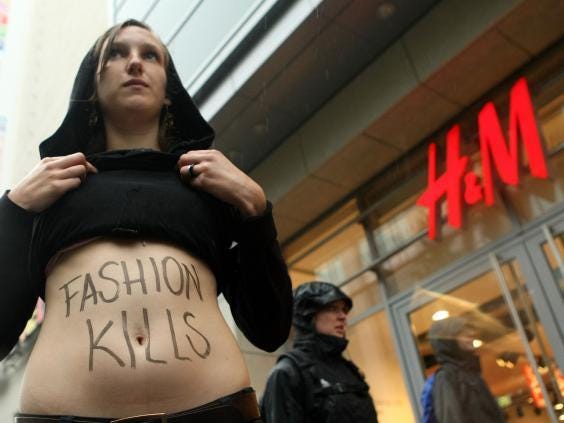
Syrian refugee children found working in Next and H&M factories. Judith, Juliana and Angie.

Picture

Next and H&M say refugees in Turkey were working in their supply-chain factories
Two of Britain’s high street giants have found Syrian refugee children working in their clothing factories in Turkey, leading to calls for other retailers to investigate their own supply chains.
H&M and Next were the only retailers that admitted to identifying child labour in supplier factories in Turkey, but there are fears that the phenomenon could be far more widespread after several other companies failed to answer questions on the use of Syrian workers in their factories.
Along with China, Cambodia and Bangladesh, Turkey is one of the largest producers of clothing sold on the British high street, supplying labels that include Topshop, Burberry, Marks & Spencer and Asos. The country is also the world’s largest host of Syrian refugees, accepting more than 2.5 million people who have fled the conflict since 2011.
A report by the Business and Human Rights Resource Centre (BHRRC), a non-profit organisation that monitors company ethics, warns that few brands are taking adequate steps to ensure that vulnerable refugees are not “fleeing from conflict into exploitative working conditions”.(...)
Hundreds of thousands of Syrian adults in Turkey work for low pay far below the minimum wage of 1,300 Turkish lira (£309) per month. Many children are employed as cheap labour on farms and factories in breach of Turkish and international laws that forbid those under 12 from working. Children aged 13-14 are banned from all but light work.
In an effort to gauge the scale of the problem, the BHRRC asked 28 major brands last month about their Turkish suppliers and their strategies for combating the exploitation of Syrian children and adults.(...)
The BHRRC said that it was alarmed by the responses, warning: “Only a few brands appear to have engaged with the extent and the complexity of these issues in their Turkish supply base; even fewer report taking action to protect these vulnerable workers.” It said that many companies appeared to have an “out of sight, out of mind” approach to auditing their factories, conducting preannounced visits that could allow factory managers to cover up abuses.

Phil Bloomer, executive director of the BHRRC, said that H&M and Next deserved praise for their honesty and urged other companies to take the problem seriously. He said: “No brands want child labour in their supply chain, but what matters is how vigorous they are in looking for it and what they do when they find it. Given reports from the ground indicate refugee child labour is common in Turkey, it is positive that two brands in our report identified this problem and took action to protect the children. We need all brands to show equal vigour in eliminating this curse.”


Discussion. (questions)
  • What’s your opinion about the modern slavery? It’s fair for you? Can you imagine your childhood working as a slaver?
  • When you buy a t-shirt or some item do you look from where it comes? Are we also responsible for modern slavery?
  • If modern slaves aren’t chained up, why don’t they escape? What would you do to stop with child labour?